Longest range electric cars in India (2026)
⚡ Quick Verdict: Electric Cars with 600+ km Range in India (2026)
In India, electric cars delivering 600+ km on a single charge include the Kia EV6 (ARAI 663 km, 84 kWh battery), BYD Seal (up to 650 km, 82.56 kWh), Hyundai Ioniq 5 (631 km, 72.6 kWh), and the BMW i4 eDrive40 (WLTP 625 km). Mass-market options like the Tata Curvv EV top out at 585 km claimed range.
Range is the number every EV buyer looks at first and the number most likely to mislead. The figures manufacturers publish are laboratory results; what you get on an Indian highway in May, with the air conditioning working hard, is meaningfully less. This list gives both.
The 12 longest-range electric cars on sale in India
| # | Model | Claimed range | Real-world range | Battery | Price |
|---|---|---|---|---|---|
| 1 | Mercedes-Benz EQS SUV | 820 km | 590–656 km | 122 kWh | ₹133.00L – ₹148.00L |
| 2 | Porsche Taycan | 705 km | 507–564 km | 93.4 kWh | ₹170.00L – ₹269.00L |
| 3 | Mahindra BE 6 | 682 km | 491–545 km | 79 kWh | ₹18.90L – ₹27.79L |
| 4 | Tata Sierra EV | 665 km | 478–532 km | 65 kWh | ₹18.79L – ₹25.00L |
| 5 | Kia EV6 | 663 km | 477–530 km | 84 kWh | ₹65.97L |
| 6 | Mercedes-Benz EQE | 660 km | 475–528 km | 90 kWh | ₹130.00L – ₹140.00L |
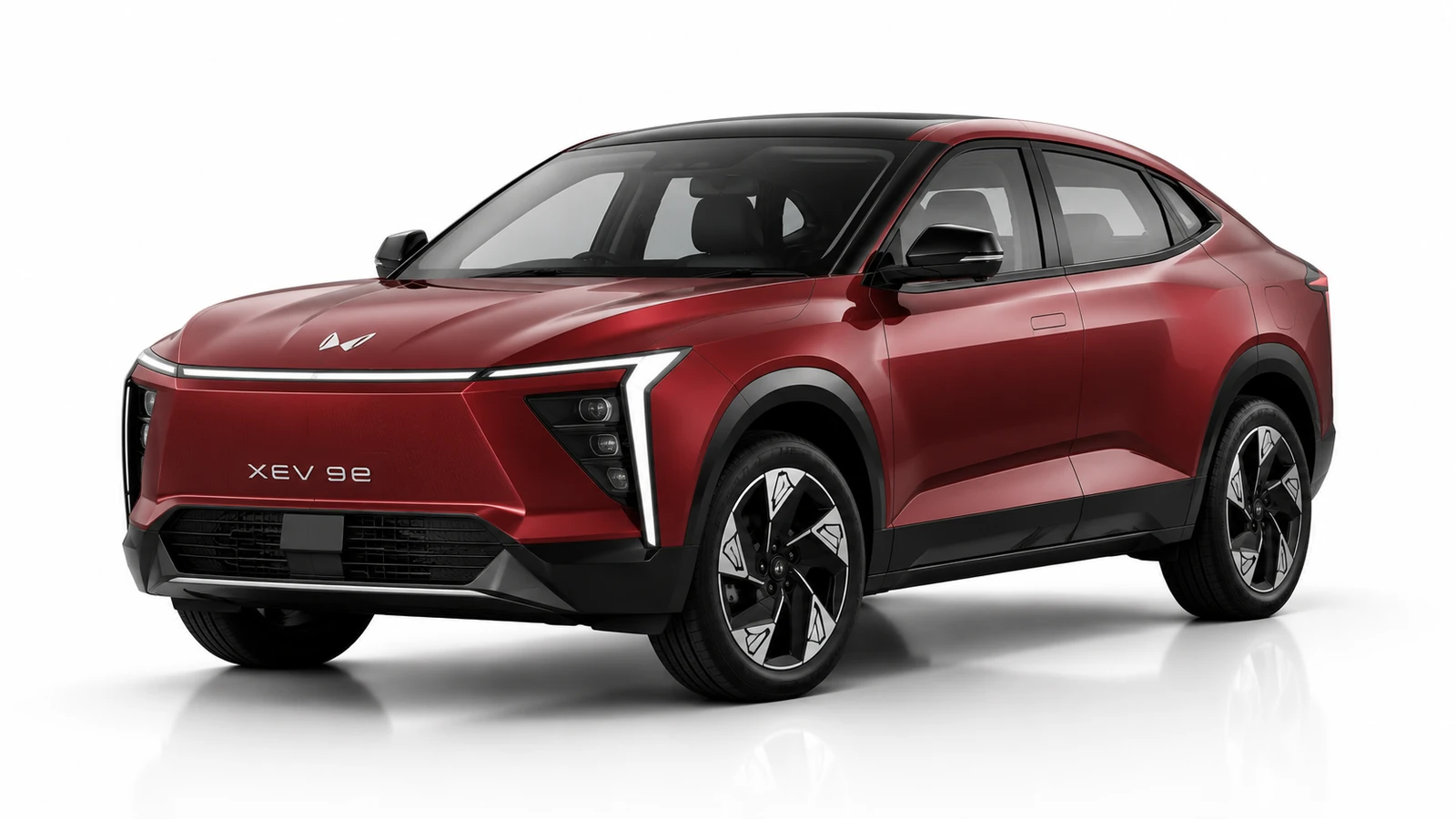
| 7 | Mahindra XEV 9e | 656 km | 472–524 km | 79 kWh | ₹21.90L – ₹31.25L |
| 8 | BYD Seal | 650 km | 468–520 km | 82.56 kWh | ₹41.00L – ₹53.15L |
| 9 | BMW iX | 635 km | 457–508 km | 111.5 kWh | ₹121.00L – ₹140.00L |
| 10 | Hyundai Ioniq 5 | 631 km | 454–504 km | 72.6 kWh | ₹46.05L – ₹50.00L |
| 11 | BMW i7 | 625 km | 450–500 km | 101.7 kWh | ₹205.00L – ₹258.00L |
| 12 | Tesla Model Y | 622 km | 447–497 km | 75 kWh | ₹59.89L – ₹73.89L |
Read the second column, not the first
Real-world range in Indian conditions runs about 72–80% of the claimed figure. The gap comes from three things: highway speeds, air conditioning, and the fact that certification cycles are gentler than real driving. A car claiming 500 km will comfortably do 360–400 km on a normal day and rather less on a hot one at 100 km/h.
This is not manufacturers being dishonest — it is the same gap petrol cars have between ARAI mileage and what your tank actually delivers. It just matters more, because refilling takes longer.
The standouts
Mercedes-Benz EQS SUV — 820 km
The longest-range car sold in India, from a 122 kWh pack, the largest battery in the country. Real-world 590–656 km. At ₹133.00L – ₹148.00L it is not a value proposition, but it is the only EV in India that genuinely never needs planning.
Porsche Taycan — 705 km
507–564 km real-world, and it charges 10–80% in 18 minutes — the fastest in India alongside the Hyundai Ioniq 5 and Kia EV6.
Mahindra BE 6 — 682 km
The important one. ₹18.90L – ₹27.79L for 682 km claimed and 491–545 km real-world is, by a distance, the most range per rupee available in India. It also fast-charges in 20 minutes. If long range is your requirement and ₹1 crore is not your budget, the conversation starts and largely ends here.
Tata Sierra EV — 665 km
478–532 km real-world from ₹18.79L – ₹25.00L, and the only Tata to break 600 km. A serious rival to the Mahindras on the exact ground they own.
Tata Curvv EV — 585 km
The cheapest car in India to claim over 550 km, from ₹17.49L – ₹22.24L. Real-world 421–468 km, which covers almost any intercity route in a single hop.
How much range do you actually need?
The average Indian car does under 40 km a day. On that basis a 300 km car needs charging roughly weekly. Range matters for the exceptions — the Diwali drive home, the unplanned trip — not the routine. Paying ₹5 lakh for range you use four times a year is a choice worth making consciously.
A practical rule: take your longest regular one-way drive, double it, add 30%, and buy real-world range above that number. For most people the answer lands between 350 and 450 km real, which is a ₹18–25 lakh car in 2026.
Work out your own numbers
Enter your daily km and get your 5-year cost, savings and break-even in 30 seconds.
Open the calculator →Related guides
- How much EV range do you actually need?
- Best electric SUVs in India
- Mahindra BE 6 vs XEV 9e
- How long does it take to charge an EV?
- EV charging in India explained
- Browse EVs by range
Frequently asked questions
Prices are ex-showroom and indicative. Range figures are manufacturer-claimed unless stated otherwise; real-world range in Indian conditions is typically 72–80% of claimed. Costs vary by state tariff, fuel price and driving style. Last updated 26 August 2026.