How much EV range do you actually need in India?
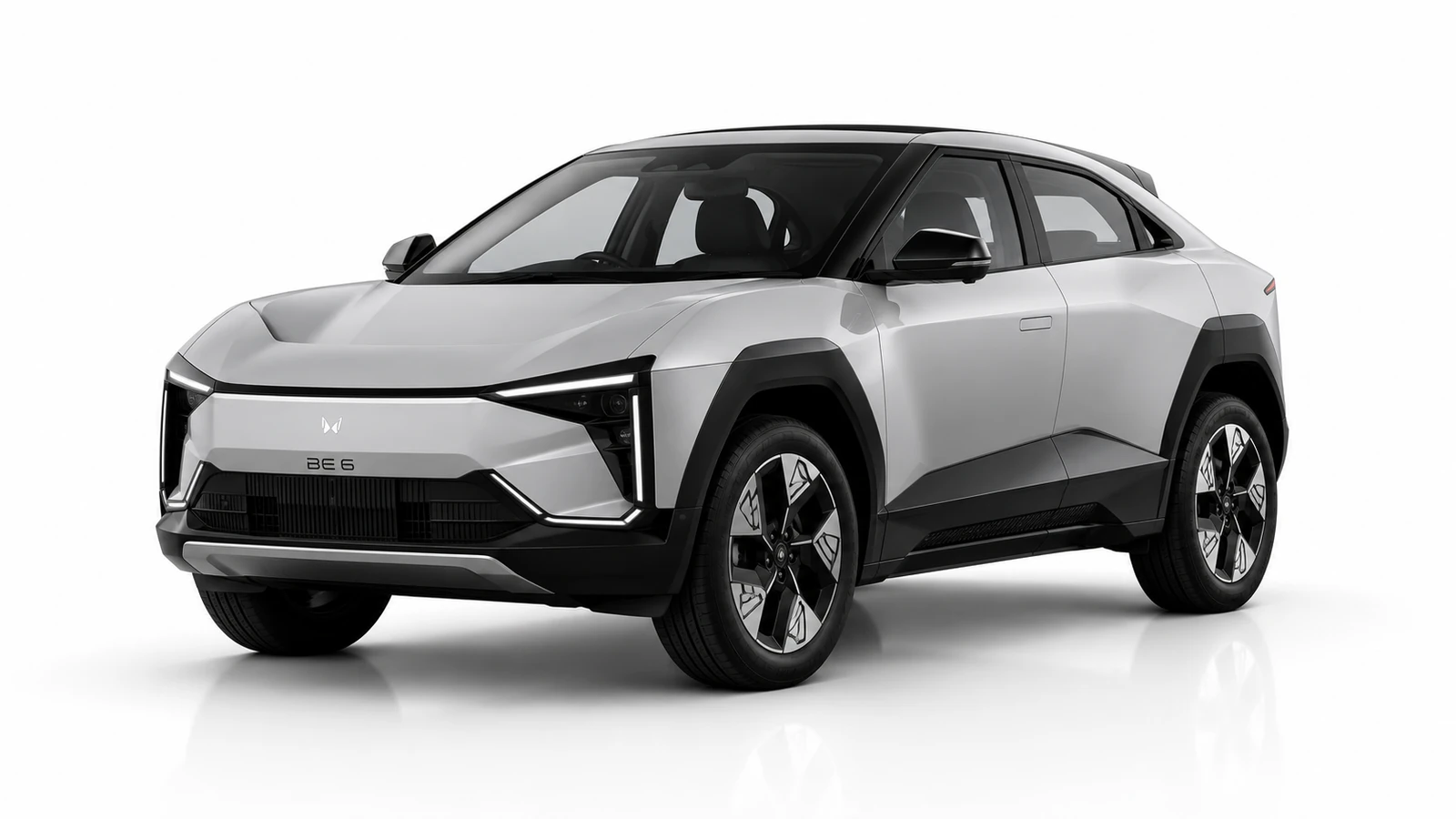
Range is the most over-weighted number in EV buying. People pay lakhs for range they use four times a year, and skip cars that would suit them perfectly. Here is how to work out the number you actually need.
Start with what you actually drive
The average Indian car covers under 40 km a day. At that rate a car with 300 km of real range needs charging roughly once a week. Even a heavy urban user at 80 km a day is charging twice a week.
Daily driving almost never determines your range requirement. The exceptions do — the trip home for Diwali, the weekend drive, the unplanned run to another city.
The formula
Take your longest regular one-way drive. Double it, so you can return without charging. Add 30% for degradation over the years, heat, and the fact that you should not routinely run a battery to zero. That is your target real-world range.
- Longest regular trip 100 km → target 260 km real → a ₹10–13 lakh EV.
- Longest regular trip 150 km → target 390 km real → a ₹17–20 lakh EV.
- Longest regular trip 250 km → target 650 km real → a ₹45 lakh+ EV, or accept one charging stop.
That last line is the important one. Beyond roughly 450 km of real range, buying more range stops being economical and accepting a 20-minute charging stop starts being sensible.
Claimed vs real: the 72–80% rule
Manufacturer figures come from certification cycles run at moderate speeds, in controlled temperatures, with accessories off. Indian reality is hotter, faster and air-conditioned. Expect 72–80% of the claimed figure.
| Car | Claimed | Real-world | Good for |
|---|---|---|---|
| Tata Tiago EV | 250 km | 180–200 km | City only |
| Tata Punch EV | 315 km | 226–252 km | City, occasional highway |
| Hyundai Creta Electric | 473 km | 340–378 km | Regular intercity with a stop |
| Tata Curvv EV | 585 km | 421–468 km | Most intercity in one hop |
| Mahindra BE 6 | 682 km | 491–545 km | Almost anything without planning |
What eats range in India
- Heat and air conditioning. 40–45 degree summers cost 15–20%. This is the big one.
- Highway speed. Above 90 km/h, drag rises sharply. A car doing 400 km at 70 km/h may manage 300 at 110.
- Loading. Five people and luggage costs perhaps 8–10%.
- Gradient. Ghat sections drain fast — though regenerative braking gives much of it back coming down.
- Age. Budget for 10–15% capacity loss over eight years.
Charging speed matters more than you think
A car with 400 km of real range that charges 10–80% in 20 minutes is more useful on a long drive than one with 500 km that takes an hour. Once range clears roughly 350 km real, charging speed becomes the more valuable specification. Most buyers still shop the wrong number.
Work out your own numbers
Enter your daily km and get your 5-year cost, savings and break-even in 30 seconds.
Open the calculator →Related guides
- Longest range electric cars in India
- How long does it take to charge an EV?
- EV charging in India explained
- Best electric cars under ₹20 lakh
- EV battery life and warranty in India
- Find the right EV for you
Frequently asked questions
Prices are ex-showroom and indicative. Range figures are manufacturer-claimed unless stated otherwise; real-world range in Indian conditions is typically 72–80% of claimed. Costs vary by state tariff, fuel price and driving style. Last updated 26 August 2026.