EV battery life and warranty in India: what to know before buying
Battery worry is the main reason Indian buyers hesitate on electric cars, and it is largely misplaced — but not entirely. Here is what the warranties actually say, what degradation really looks like, and the handful of habits that matter.
What manufacturers warrant in India
| Brand | Battery warranty | Notes |
|---|---|---|
| Tata | 8 years / 160,000 km | Standard across Nexon EV, Punch EV, Curvv EV and the rest |
| Mahindra | Lifetime on select models | Conditions apply; first owner, personal use |
| MG | 8 years / unlimited km | Plus a battery-rental option on the Windsor EV |
| Hyundai | 8 years / 160,000 km | Transferable to a second owner |
| Maruti Suzuki | 8 years / 160,000 km | Backed by India's largest service network |
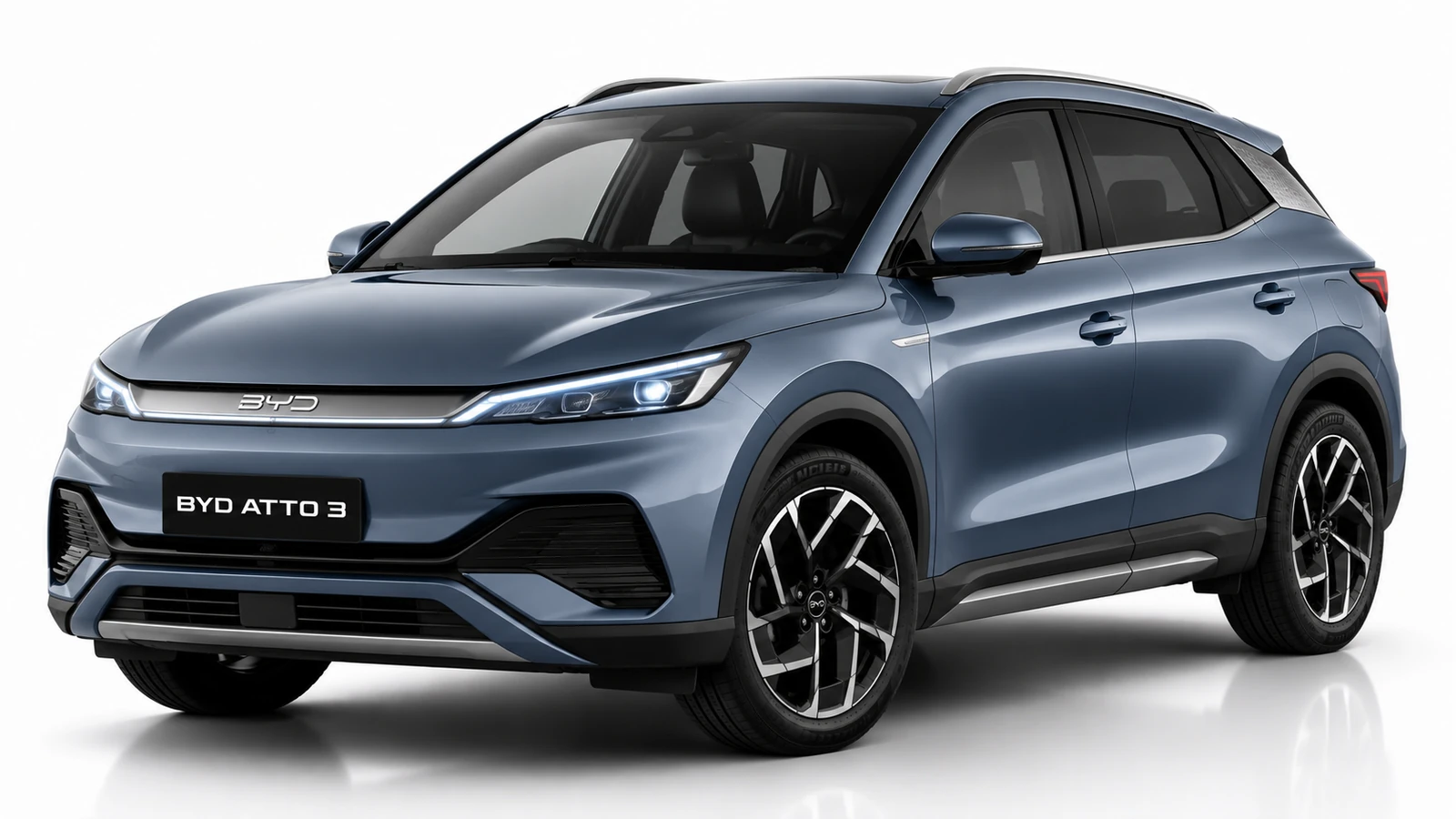
| BYD | 8 years / 160,000 km | Blade LFP chemistry, generally very durable |
| Kia | 8 years / 160,000 km | Transferable |
Read the fine print on one point: warranties typically cover capacity falling below a threshold, usually 70%, not any degradation at all. A pack at 80% after seven years is behaving normally and is not a claim.
What degradation actually looks like
Large-fleet data from mature EV markets, and increasingly from Indian fleets, is consistent: modern lithium-ion packs lose capacity quickly in the first year or two — typically 2–4% — then settle into a slow decline of under 1.5% a year.
- Year 3: roughly 95% of original capacity
- Year 5: roughly 90–92%
- Year 8: roughly 85–90%
On a Tata Nexon EV, 88% at year eight means claimed range falls from 325 km to about 286 km. Noticeable, not disabling.
Does Indian heat make it worse?
Yes, somewhat. Sustained high temperatures are the main enemy of lithium-ion cells, and Indian summers are harder on packs than European ones. This is why active liquid cooling matters — nearly every current car-sized EV in India has it, but some early and budget two-wheelers did not, which is exactly where the 2022 fire problems came from.
LFP chemistry, used by BYD and in some Tata packs, tolerates heat and full charging better than NMC. If you live somewhere consistently above 40 degrees in summer, it is a genuine advantage.
Six habits that extend battery life
- Charge to 80% for daily use. Save 100% for days you need the full range. This one habit matters more than all the others combined on NMC packs.
- Do not sit at very low charge. Leaving a pack below 10% for days is worse than using it.
- Use AC charging where you can. DC fast charging generates heat. Occasional use is fine; exclusive use accelerates ageing.
- Park in shade. Simple and genuinely effective in Indian conditions.
- Avoid fast-charging a hot battery. After a long summer highway run, let it cool briefly before plugging into DC.
- If storing for weeks, leave it near 50%. Not full, not empty.
Replacement cost, in perspective
Out-of-warranty pack replacement is expensive — typically 30–40% of the car's value. It is also rare, because the warranty covers eight years and packs generally outlast it. Two things are changing the picture: module-level repair, where only failed sections are replaced, and a growing second-life market for used packs.
The sensible way to hold this: treat pack replacement the way you treat an engine rebuild on a petrol car. Possible, uncommon, and not a line in your five-year budget.
Buying used: ask for a battery health report
For a second-hand EV, state of health matters more than odometer reading. Most brands can generate a battery health report at a service centre. A car showing above 90% SoH at three years is healthy. Below 85% at that age, ask why.
Work out your own numbers
Enter your daily km and get your 5-year cost, savings and break-even in 30 seconds.
Open the calculator →Related guides
- Used electric car buying guide
- EV resale value in India
- EV maintenance cost in India
- 12 EV myths in India, busted
- How much EV range do you actually need?
- Battery life predictor
Frequently asked questions
Prices are ex-showroom and indicative. Range figures are manufacturer-claimed unless stated otherwise; real-world range in Indian conditions is typically 72–80% of claimed. Costs vary by state tariff, fuel price and driving style. Last updated 26 August 2026.