EV resale value in India (2026): do electric cars hold value?
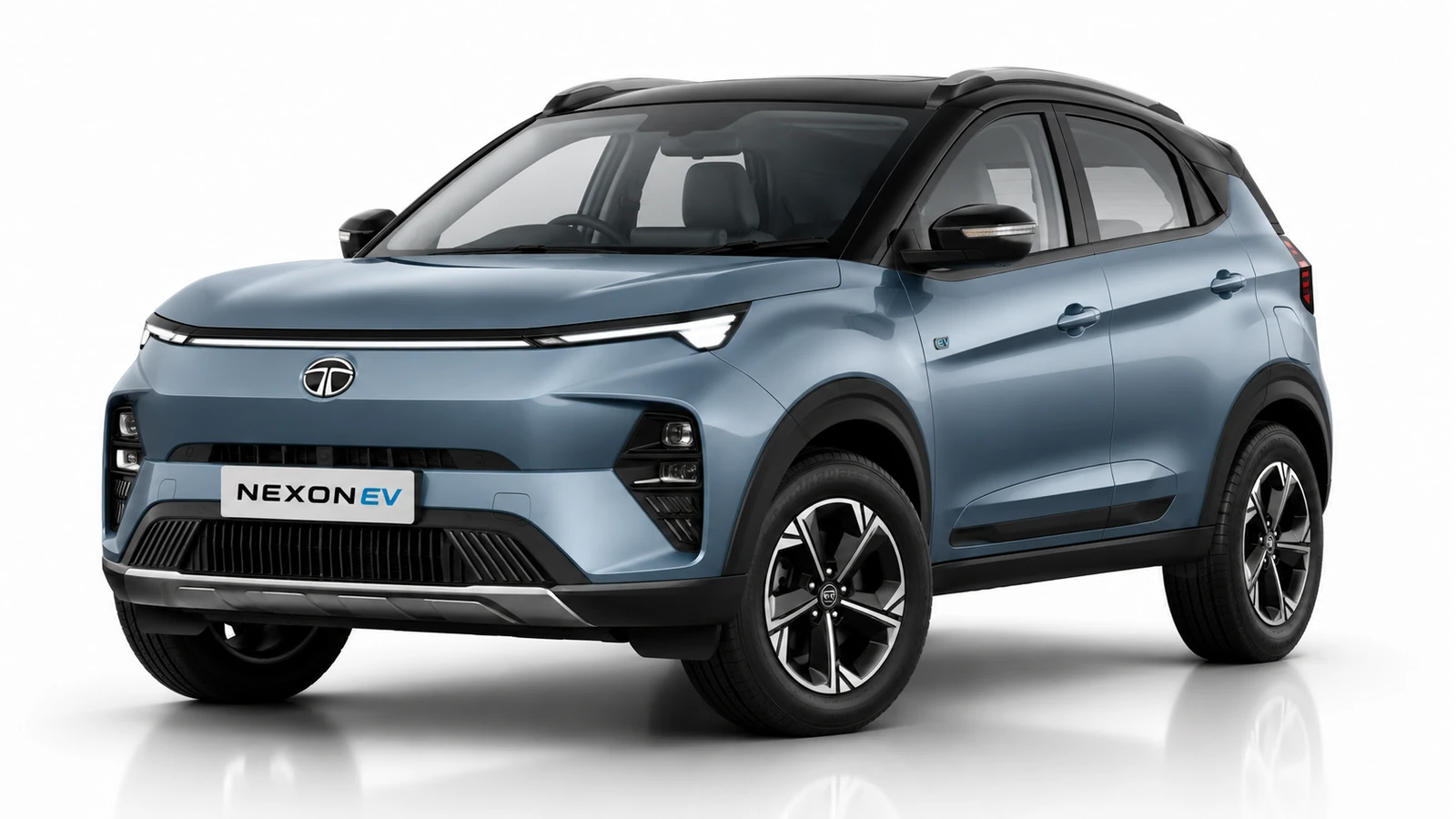
This is the weakest part of the case for buying an electric car in India, and it deserves an honest treatment rather than a reassuring one. The market is young, the data is thin, and anyone who tells you they know exactly how your EV will depreciate is guessing.
What we actually know
Indian EV resale data covers roughly five years and a small number of transactions. That is not enough to speak with confidence. What the available evidence suggests:
- Early EVs (2019–2021) depreciated faster than comparable petrol cars, largely because rapid improvements in range made older short-range models look obsolete.
- That effect is fading. A 2023 car with 300 km of range is not embarrassed by a 2026 car in the way a 2019 car with 140 km was.
- Models from brands with wide service networks — Tata, Mahindra, Hyundai, Maruti — hold value noticeably better than those without.
- Battery health certification is emerging as the primary valuation input, ahead of odometer reading.
What drives EV resale in India
| Factor | Effect on resale | Why |
|---|---|---|
| Service network reach | Large positive | Buyers outside metros will not buy what they cannot service |
| Battery state of health | Large positive | Increasingly the first thing a used buyer asks for |
| Range relative to current models | Moderate | Short-range older cars suffer most |
| Remaining battery warranty | Moderate positive | Transferable warranty materially raises confidence |
| Brand's EV commitment | Moderate | A discontinued model or exited brand hurts badly |
| Battery-lease arrangements | Negative | Complicates transfer and narrows the buyer pool |
| Odometer reading | Smaller than on petrol cars | Mechanical wear matters less on an electric drivetrain |
The structural argument in EVs' favour
An electric drivetrain has far fewer wearing parts. A five-year-old EV with 80,000 km has no clutch wear, no timing belt due, no engine oil history to worry about, and brake pads barely used. Mechanically it is in much better condition than a petrol car of the same age and mileage.
As the Indian used-EV market matures and buyers understand this, it should support values. Whether it will is exactly the uncertainty.
Eight things that protect your resale value
- Keep every service record. Complete authorised-service history matters more on an EV than a petrol car, because the used buyer has less ability to assess condition themselves.
- Get an annual battery health report. A documented SoH history is the single most persuasive thing you can hand a buyer.
- Charge to 80% for daily use. Better long-term SoH, which is what you are selling.
- Do not rely exclusively on DC fast charging. Heavy DC use shows in battery health data.
- Buy from a brand with reach. This is decided at purchase, not at sale, and it is the biggest single factor.
- Think twice about battery-lease schemes. They lower entry price and narrow your future buyer pool.
- Keep the original charging equipment. Missing cables are a visible deduction.
- Sell before the battery warranty expires if you are optimising for value — remaining transferable warranty is worth real money to a used buyer.
How to hold this in your buying decision
Treat resale as the least predictable line in your five-year calculation, and do not let a confident number from either direction drive the purchase. The fuel and service savings on an EV are large and reliable; the resale outcome is genuinely uncertain. If you would only buy the car assuming strong resale, that is a signal to reconsider rather than to assume.
Work out your own numbers
Enter your daily km and get your 5-year cost, savings and break-even in 30 seconds.
Open the calculator →Related guides
- EV battery life and warranty in India
- Used electric car buying guide
- EV vs petrol: the real 5-year cost
- Is it worth buying an EV in India?
- EV maintenance cost in India
- Battery life predictor
Frequently asked questions
Prices are ex-showroom and indicative. Range figures are manufacturer-claimed unless stated otherwise; real-world range in Indian conditions is typically 72–80% of claimed. Costs vary by state tariff, fuel price and driving style. Last updated 26 August 2026.