Used electric car buying guide: battery checks and tips
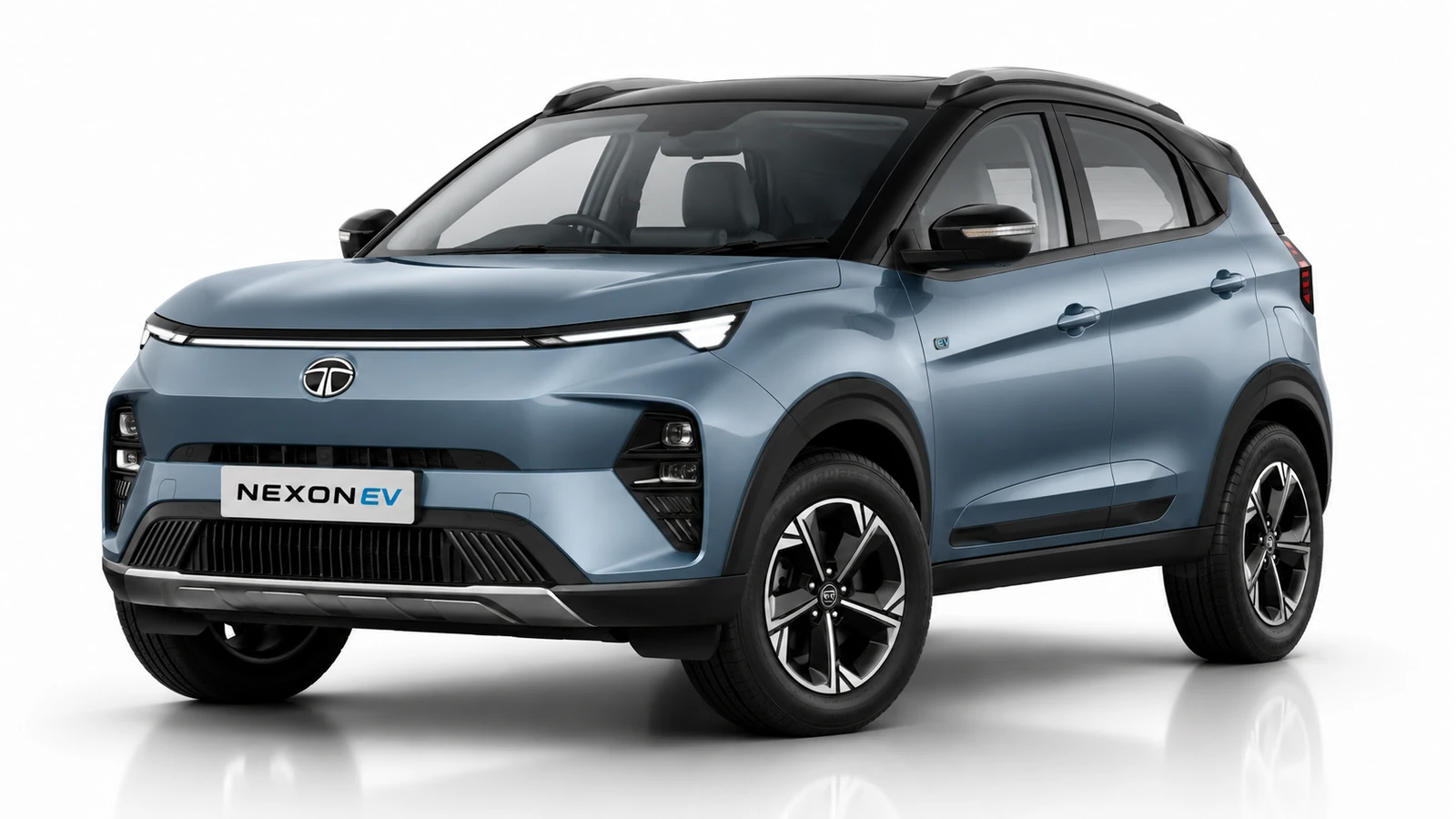
The used EV market in India is finally large enough to shop in, and it is where the value is — early depreciation on electric cars has been steep, which is bad news for the first owner and good news for you. The inspection is different from a petrol car, and most of it comes down to one thing.
The one check that matters most: battery state of health
State of health (SoH) is the pack's current capacity as a percentage of its original. It is to a used EV what compression and oil history are to a used petrol car, and it is more reliably measurable.
Get a battery health report from an authorised service centre. Most brands can produce one. If the seller refuses or the brand cannot supply it, treat that as a serious warning rather than an inconvenience.
| Age | Healthy SoH | Investigate below |
|---|---|---|
| 1 year | 96–98% | 94% |
| 3 years | 92–95% | 90% |
| 5 years | 88–92% | 86% |
| 8 years | 85–90% | 82% |
A pack materially below these bands suggests heavy DC fast charging, sustained high-temperature exposure, or a genuine fault. Any of those is a price negotiation or a walk-away.
Warranty transfer
Most Indian manufacturers warrant the battery for eight years or 160,000 km, and on most brands it transfers to a second owner. Confirm three things in writing:
- That the warranty is transferable, and what the process is
- How many years and kilometres remain
- Whether service history gaps void it — on some brands they do
A car with four years of transferable battery warranty left is a materially different purchase from one with six months.
Flood damage — check properly
EVs handle water better than petrol cars, but a flooded interior is just as ruinous, and India has had several large urban flood events in recent years. Look for:
- Silt or water lines under the carpet, under the seats and in the spare wheel well
- Corrosion on seat rails, seat belt bolts and under-dash brackets
- A musty smell, or a suspiciously strong air freshener
- Fogging inside light units
- Insurance claim history against the registration number
If the high-voltage system was submerged and repaired, that should appear in service records. Its absence from a car with flood signs is a reason to leave.
The rest of the inspection
- Charging equipment. Portable charger, cables, and the wall box if one was installed. Replacements are expensive.
- Both charging modes. Test AC and DC charging yourself. A port fault is not obvious otherwise.
- Tyres. EVs wear fronts faster. Uneven wear also flags alignment or suspension issues from Indian road damage.
- Brakes. Underused EV brakes can seize or corrode. Check for scoring and pulling.
- 12V battery. Small, cheap, and a common failure that presents as alarming electronic faults.
- Software. Confirm the car is on current firmware and that any recall work is done.
- Real range test. Drive it, note consumption, and compare against the model's expected real-world figure of roughly 72–80% of claimed.
Paperwork
The same as any used car in India — RC transfer, insurance transfer, NOC if the car is moving states, hypothecation cleared if it was financed, and a check for outstanding challans. Two EV-specific additions: the battery warranty transfer paperwork, and confirmation of whether the car was bought under a state EV subsidy that carries a minimum-holding condition.
What to pay
Early EV depreciation in India has been steep, so three-to-four-year-old cars often represent good value — particularly models from brands with strong service networks, where the ownership risk is lowest. Price the car on battery health and remaining warranty first, and odometer reading second. That ordering is the opposite of a petrol car and it is the right one here.
Work out your own numbers
Enter your daily km and get your 5-year cost, savings and break-even in 30 seconds.
Open the calculator →Related guides
- EV battery life and warranty in India
- EV resale value in India
- EV insurance in India
- Are electric cars safe in rain and floods?
- EV maintenance cost in India
- Browse all electric vehicles in India
Frequently asked questions
Prices are ex-showroom and indicative. Range figures are manufacturer-claimed unless stated otherwise; real-world range in Indian conditions is typically 72–80% of claimed. Costs vary by state tariff, fuel price and driving style. Last updated 26 August 2026.