EV insurance in India: cost, coverage and add-ons
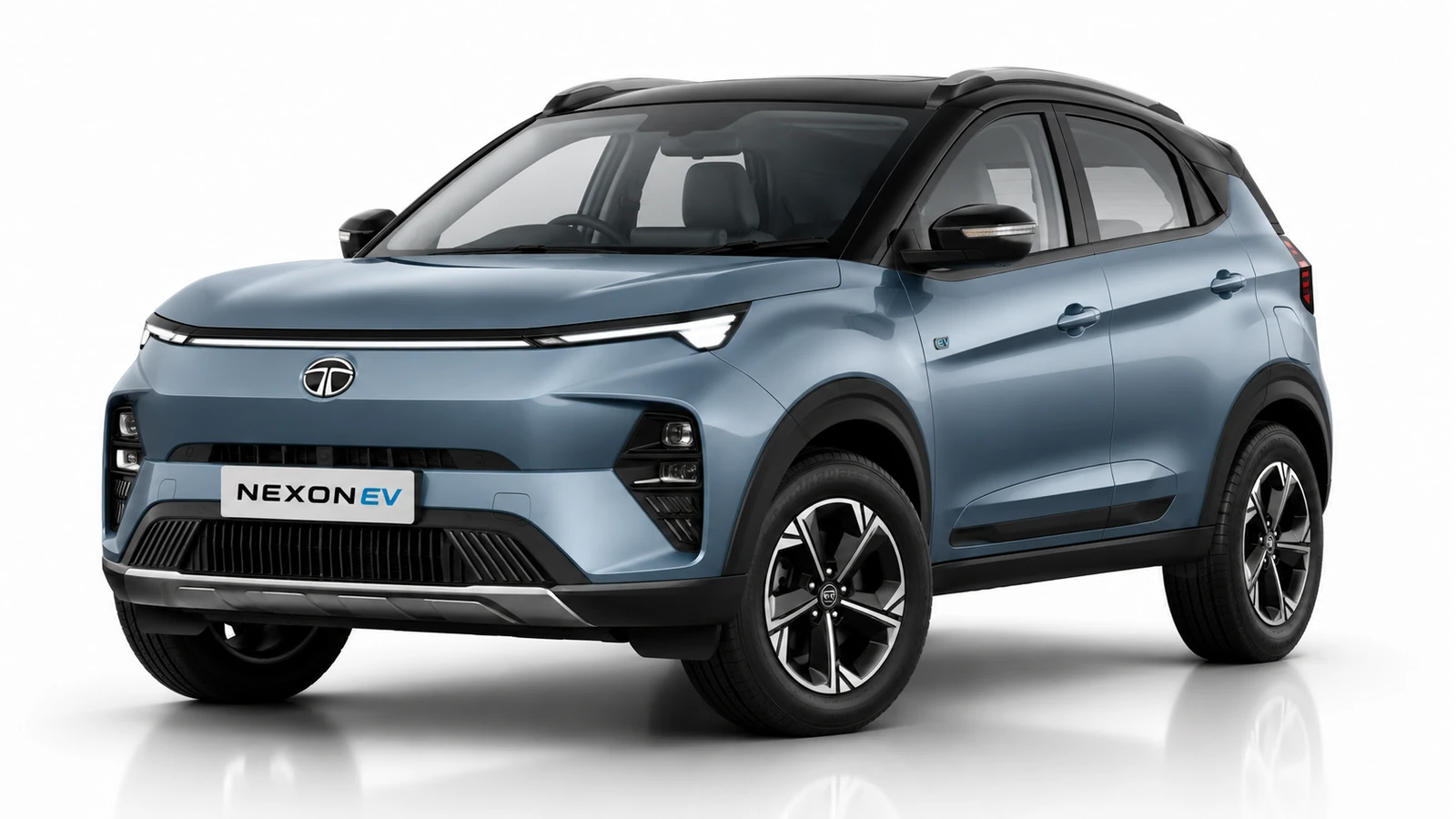
Insuring an electric car in India is mostly the same as insuring any car, with three differences that matter: a regulatory discount in your favour, a higher own-damage premium against you, and one coverage gap that catches people out.
The IRDAI discount
IRDAI mandates a discount on third-party premiums for electric vehicles — currently 15% — applied to the compulsory portion of every policy. It applies automatically; you do not have to ask.
It is a genuine saving, though the third-party component is the smaller part of a comprehensive premium, so the effect on your total is modest.
Why own-damage premiums are higher
Comprehensive EV premiums typically run 10–20% above an equivalent petrol car. Two reasons, both structural:
- Higher insured declared value. Premiums are calculated on IDV, and EVs cost more to buy, so the same percentage produces a larger number.
- Battery repair economics. The pack is the most expensive component in the car, and until recently a damaged pack often meant full replacement. Module-level repair is improving this, and insurers are adjusting slowly.
Net effect: the third-party discount reduces the gap but does not close it. Budget for a somewhat higher premium than the petrol equivalent.
The coverage gap to check
Do not assume the battery is fully covered. This is the single most common surprise for Indian EV owners. Standard comprehensive policies cover the vehicle, but the treatment of the battery pack varies between insurers — particularly for water ingress, and particularly for depreciation applied to a pack replacement claim.
Ask three specific questions before buying a policy, and get the answers in writing:
- Is the traction battery covered for accidental damage, and at what depreciation rate?
- Is water or flood damage to the pack covered, or does it need an add-on?
- Is the charging equipment — portable charger, wall box — covered, at home and away?
Add-ons commonly discussed for EVs
| Add-on | What it does | Particularly relevant because |
|---|---|---|
| Zero depreciation | Claims settled without depreciation on parts | EV parts are expensive; depreciation cuts bite harder |
| Battery / motor protection | Extends cover to the pack and drive unit for specified perils | Closes the most common gap in standard policies |
| Engine or drivetrain protect (EV variant) | Covers drivetrain damage from water ingress | Relevant in flood-prone Indian cities |
| Charging equipment cover | Covers the wall box and portable charger | These are not always included by default |
| Roadside assistance | Towing and on-site help | An EV out of charge cannot be jump-started or jerry-canned |
| Return to invoice | Pays invoice value on total loss | Useful given uncertainty in EV depreciation |
Whether any of these is worth the extra premium depends on your car, your city and your driving. The point is to make the choice knowingly rather than discover the gap at claim time.
Practical points
- Roadside assistance is more useful on an EV. A flat battery cannot be solved with a can of fuel or a jump start — it needs a flatbed. If you drive intercity, this is worth having.
- Declare a wall box installation. Home charging equipment may fall under home insurance, motor insurance, or neither. Confirm which.
- Keep the battery health report. It helps at claim time and at renewal.
- Compare across insurers. EV pricing and battery treatment vary more between insurers than petrol-car pricing does, so the spread on quotes is wider than you might expect.
This article is general information about how EV insurance works in India, not advice on any specific policy. Cover, exclusions and pricing differ between insurers and change over time — read the policy wording and speak to your insurer or a licensed advisor before deciding.
Work out your own numbers
Enter your daily km and get your 5-year cost, savings and break-even in 30 seconds.
Open the calculator →Related guides
- EV battery life and warranty in India
- Are electric cars safe in rain and floods?
- EV maintenance cost in India
- EV loan and financing in India
- Used electric car buying guide
- EV vs petrol: the real 5-year cost
Frequently asked questions
Prices are ex-showroom and indicative. Range figures are manufacturer-claimed unless stated otherwise; real-world range in Indian conditions is typically 72–80% of claimed. Costs vary by state tariff, fuel price and driving style. Last updated 26 August 2026.