Mahindra BE 6 vs XEV 9e: which Mahindra EV wins?
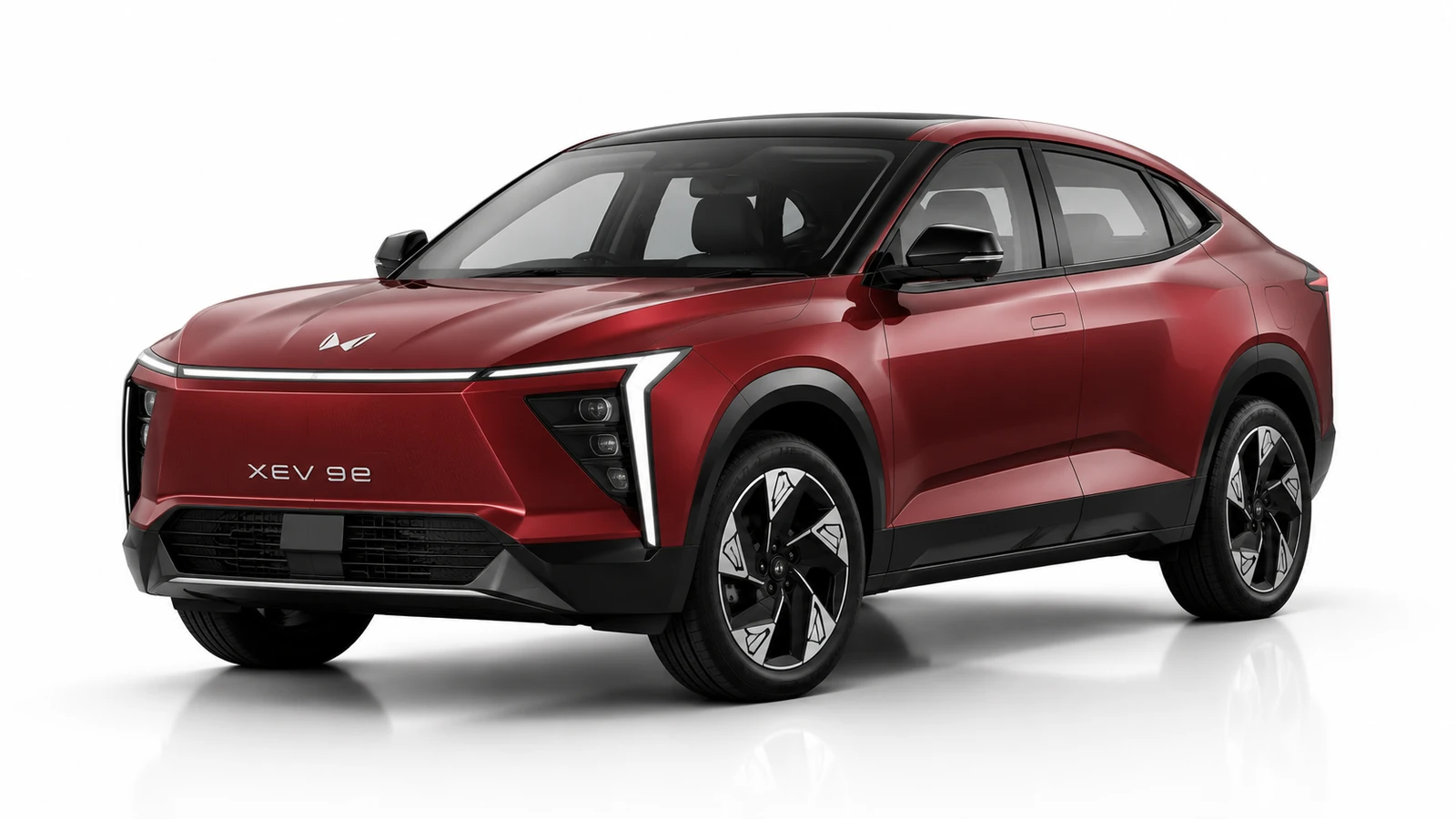
Mahindra built two cars on one platform and gave them opposite personalities. Same 79 kWh battery, same 282 bhp, same rear-wheel-drive INGLO underpinnings — and about ₹3 lakh and a great deal of attitude between them.
Head to head
| Mahindra BE 6 | Mahindra XEV 9e | |
|---|---|---|
| Price (ex-showroom) | ₹18.90L – ₹27.79L | ₹21.90L – ₹31.25L |
| Claimed range | 682 km | 656 km |
| Real-world range | 491–545 km | 472–524 km |
| Battery | 79 kWh | 79 kWh |
| Power | 282 bhp | 282 bhp |
| Top speed | 202 km/h | 202 km/h |
| DC fast charge (10–80%) | 20 min | 20 min |
| Seats | 5 | 5 |
| Body | SUV | Coupe SUV |
Same heart, different body
The mechanical package is effectively identical: 79 kWh, 282 bhp, rear drive, 202 km/h, 20-minute DC fast charge — the quickest charging of any Indian-built EV. The BE 6 claims 682 km, the XEV 9e 656 km. The 26 km gap is aerodynamics and kerb weight, not a different capability.
The BE 6 is the driver's car
Shorter, tighter, more aggressive. The cabin is deliberately cockpit-like — a high centre console and a low seating position that feels nothing like a conventional Indian SUV. It is the more exciting car to drive and the more striking one to look at. It is also the cheaper one, from ₹18.90L – ₹27.79L.
The trade-off is space. Rear seat and boot are both smaller, and the styling that makes it distinctive also makes it less practical.
The XEV 9e is the family car
Longer, wider, and inside it is the more impressive of the two — the triple-screen dashboard is the most convincing luxury interior any Indian manufacturer has built. Rear legroom and boot space are considerably better. From ₹21.90L – ₹31.25L, it is priced against premium rivals and does not feel out of place there.
The coupe roofline costs some rear headroom, though less than the Tata Curvv EV's does.
Both are exceptional on range and charging
Real-world range is roughly 491–545 km for the BE 6 and 472–524 km for the XEV 9e. Either removes range anxiety from Indian driving entirely. And 20 minutes for 10–80% on DC is genuinely quick — a coffee stop, not a wait.
Work out your own numbers
Enter your daily km and get your 5-year cost, savings and break-even in 30 seconds.
Open the calculator →The verdict
- Buy the BE 6 if you drive yourself, want the more characterful car, and can live with a smaller back seat. It is the better ₹20 lakh EV in India.
- Buy the XEV 9e if you carry passengers, want the better interior, or want a car that reads as premium from the outside. It is the better family EV.
Neither is a compromise. This is a rare case where the choice is genuinely about what you want rather than what you can afford to give up.
Related guides
- Best electric SUVs in India
- Longest range electric cars in India
- Best electric cars under ₹20 lakh
- Best family electric cars in India
- Compare any two EVs side by side
- All Mahindra electric vehicles
Frequently asked questions
Prices are ex-showroom and indicative. Range figures are manufacturer-claimed unless stated otherwise; real-world range in Indian conditions is typically 72–80% of claimed. Costs vary by state tariff, fuel price and driving style. Last updated 26 August 2026.