How much does it cost to charge an electric car in India? (2026)
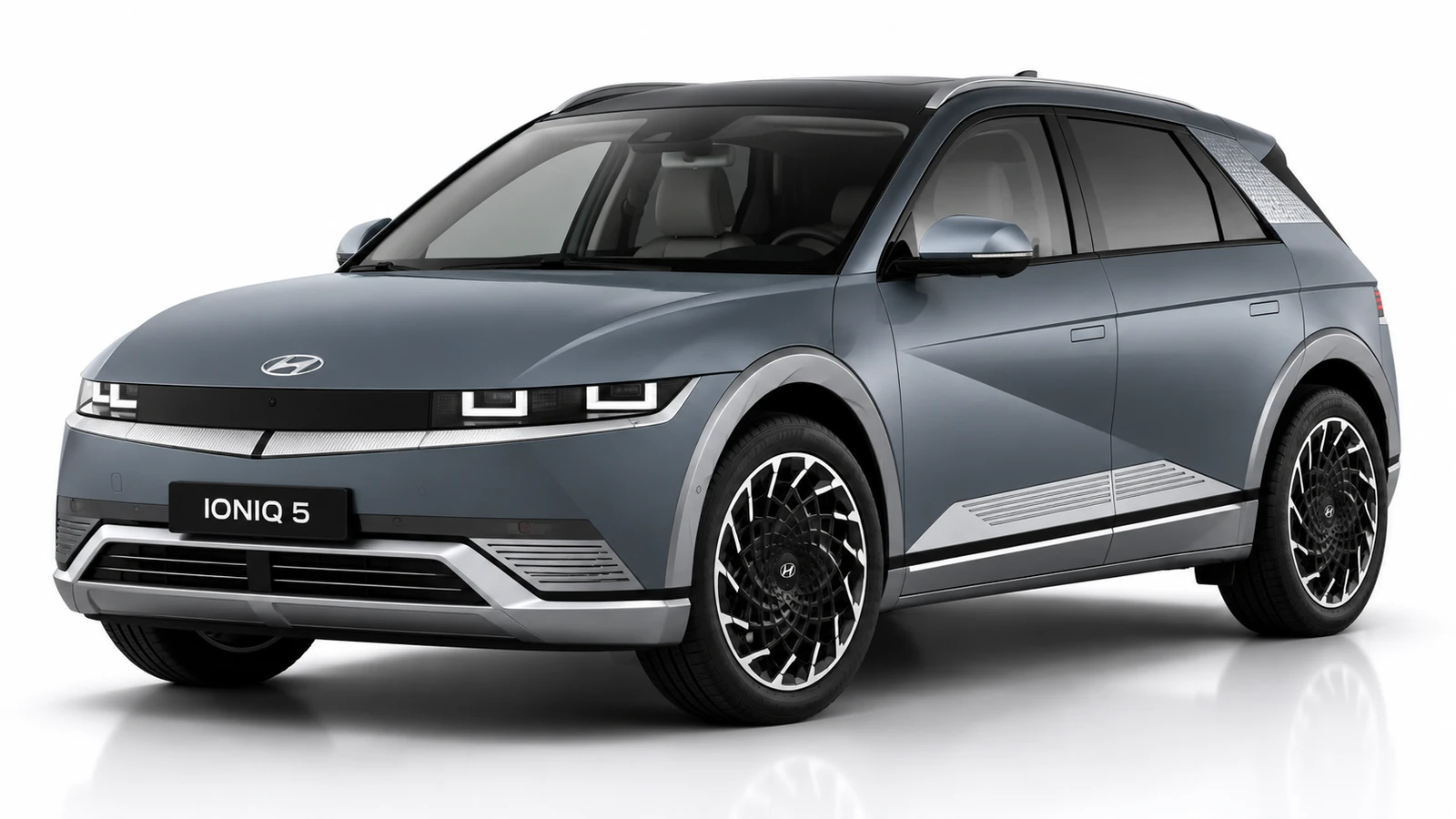
The number most people quote for EV running costs is wrong, because it uses public fast-charging rates. The rate you actually pay depends entirely on where you charge — and the gap between home and public is roughly threefold.
The short answer
- At home: ₹6–9 per unit → roughly ₹0.90–1.30 per km
- Home with EV meter: ₹4.5–6 per unit → roughly ₹0.65–0.90 per km
- Public DC fast: ₹18–25 per unit → roughly ₹2.60–3.60 per km
- Petrol, for reference: ₹6–8 per km
It starts with the per-unit rate
Electricity in India is billed per unit (kWh). Your cost to charge is simply battery size × rate.
| Where you charge | Rate per unit | Why |
|---|---|---|
| Home, EV meter | ₹4.5–6 | Dedicated lower tariff from your discom |
| Home, domestic tariff | ₹6–9 | Depends on your consumption slab and state |
| Public AC (slow) | ₹10–15 | Mall and office chargers, often 3–7 kW |
| Public DC fast | ₹18–25 | Includes operator margin and demand charges |
Rates vary by state and by operator, and some networks price by the minute rather than the unit. Always check the app before plugging in.
What a full charge costs, by battery size
| Battery | Typical vehicle class | Home (₹6–9/unit) | Public DC (₹18–25/unit) |
|---|---|---|---|
| 24 kWh | Compact hatchback | ₹144–216 | ₹432–600 |
| 35 kWh | Compact SUV | ₹210–315 | ₹630–875 |
| 45 kWh | Mid-size SUV | ₹270–405 | ₹810–1,125 |
| 60 kWh | Large SUV | ₹360–540 | ₹1,080–1,500 |
| 79 kWh | Premium SUV | ₹474–711 | ₹1,422–1,975 |
| 100 kWh | Luxury | ₹600–900 | ₹1,800–2,500 |
Assumes charging from empty, which rarely happens in practice. Add roughly 10% for charging losses.
The home-charging advantage
A 15A socket in your parking space adds roughly 10–15 km of range per hour. Over ten overnight hours that is 100–150 km — enough for most Indian driving without any additional equipment.
A 7.2 kW AC wall box adds roughly 40–50 km per hour, so any realistic daily distance is fully replaced overnight. This is what most owners eventually install. It needs an electrician and, in an apartment, society approval.
A separate EV meter from your discom is billed at a lower tariff than your domestic slab. If you drive more than about 1,500 km a month it pays back within a few years. Full walkthrough in our home charger installation guide.
A realistic monthly cost
Almost nobody charges exclusively at home or exclusively in public. A typical owner does 80% at home and 20% on the road.
| Monthly distance | All home | 80/20 mix | All public DC | Petrol equivalent |
|---|---|---|---|---|
| 500 km | ₹450–650 | ₹650–875 | ₹1,300–1,800 | ₹3,000–4,000 |
| 1,000 km | ₹900–1,300 | ₹1,300–1,750 | ₹2,600–3,600 | ₹6,000–8,000 |
| 1,500 km | ₹1,350–1,950 | ₹1,950–2,625 | ₹3,900–5,400 | ₹9,000–12,000 |
| 2,500 km | ₹2,250–3,250 | ₹3,250–4,375 | ₹6,500–9,000 | ₹15,000–20,000 |
Even the worst case — all public DC fast charging — comes in below petrol. But the difference between the first column and the third is what decides whether an EV pays back its purchase premium. See the full comparison in EV vs petrol running costs.
What pushes your cost up
- Summer. Air conditioning and battery cooling add 15–25% to consumption for four months of the year.
- Highway speeds. Above roughly 100 km/h, aerodynamic drag rises sharply. Highway running is less efficient than city running in an EV — the opposite of a petrol car.
- Charging losses. Roughly 10% of the electricity drawn from the wall does not reach the battery. Slow AC charging is slightly more efficient than DC fast charging.
- Relying on public charging. The single largest factor, and the one most within your control.
How to keep it low
- Charge at home as the default; treat public DC as a travel tool, not a routine.
- Apply for a separate EV meter if you drive over ~1,500 km a month.
- Charge to 80% for daily use and 100% only before long drives.
- Use scheduled charging if your discom offers off-peak tariffs.
- Keep tyre pressures correct — underinflation costs more range on an EV than most owners expect.
Work out your exact figure on your own tariff with the home charging cost calculator, and find public chargers near you on the charging station map — including city guides for Delhi, Mumbai and Bengaluru.
See exactly what an EV saves you
Enter your daily km and get your 5-year cost, savings and break-even in 30 seconds.
Open the calculator →Related guides
- EV vs petrol: the real 5-year cost
- Complete EV charging guide for India
- Home EV charger installation
- How long does it take to charge an EV?
- EV battery life and warranty
- EV maintenance costs
- Home charging cost calculator
- Browse all electric vehicles in India
Frequently asked questions
Tariffs vary by state, discom, consumption slab and charging operator. All figures are indicative for India in 2026. Last updated 15 August 2026.