Tata Nexon EV vs MG Windsor EV: which should you buy?
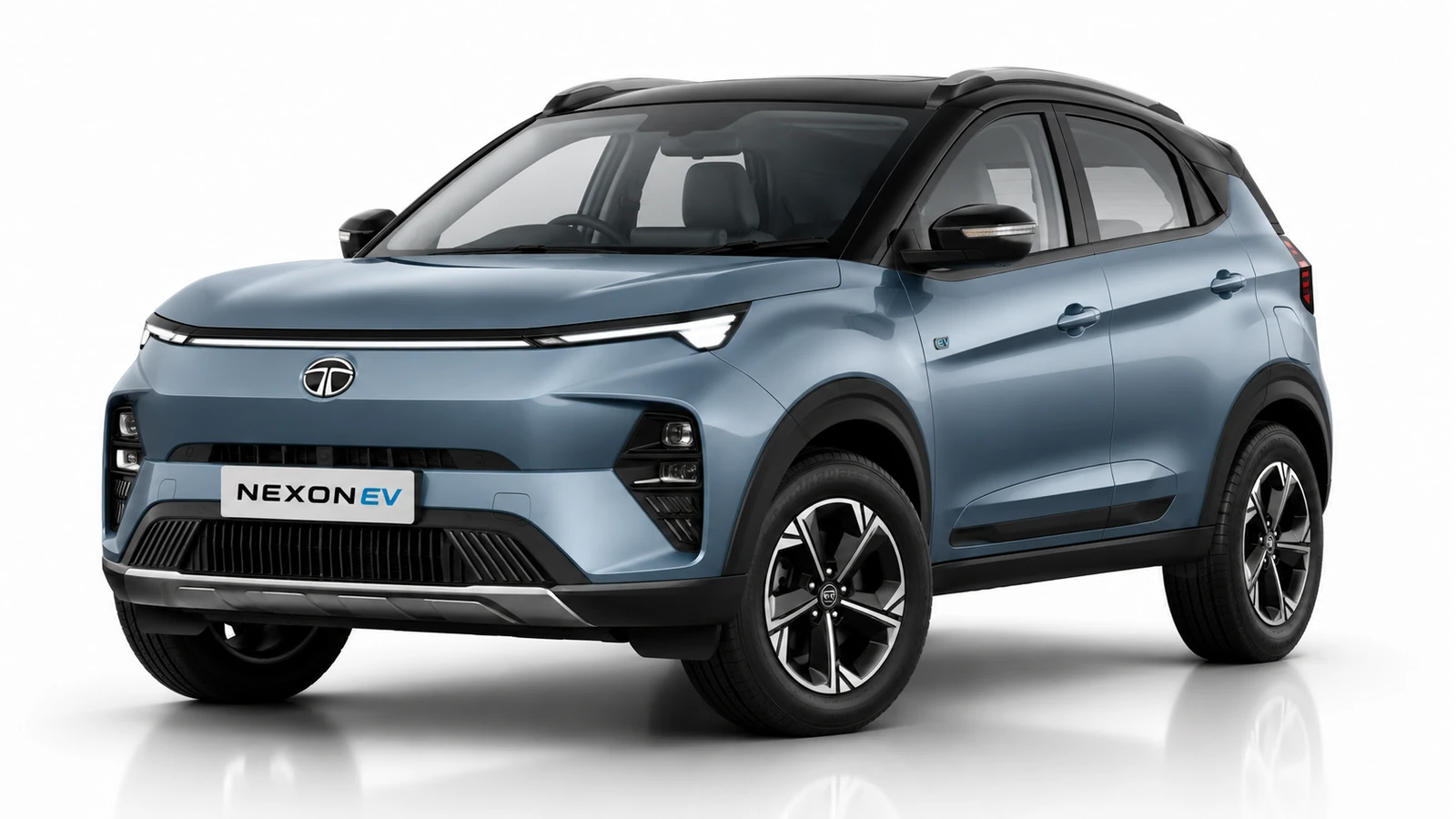
These two are the most cross-shopped electric cars in India, and they are genuinely different answers to the same question. The Nexon EV is a proper compact SUV with a big brand's service network behind it. The Windsor is a crossover built around rear-seat comfort, with a bigger battery and a cheaper way in.
Head to head
| Tata Nexon EV | MG Windsor EV | |
|---|---|---|
| Price (ex-showroom) | ₹12.49L – ₹17.49L | ₹12.65L – ₹18.39L |
| Claimed range | 325 km | 449 km |
| Real-world range | 234–260 km | 323–359 km |
| Battery | 45 kWh | 52.9 kWh |
| Power | 142 bhp | 134 bhp |
| Top speed | 150 km/h | 140 km/h |
| DC fast charge (10–80%) | 40 min | 50 min |
| Seats | 5 | 5 |
| Body | SUV | CUV |
Where the Windsor wins
Battery and range. 52.9 kWh against 45 kWh, and 449 km claimed against 325 km. In real conditions that is roughly 323–359 km versus 234–260 km — a meaningful gap on a long day.
Rear seat. The Windsor's back seat reclines and there is more knee room than anything else near this price. If people sit behind you regularly, this is not a small point.
Entry price. MG's battery-rental scheme separates the pack cost from the car, which drops the upfront figure well below the Nexon's. You then pay per kilometre.
Where the Nexon wins
Charging speed. 40 minutes for 10–80% against 50 minutes. On a highway run that difference compounds.
Power and pace. 142 bhp against 134 bhp, and 150 km/h against 140 km/h. The Nexon feels quicker everywhere, particularly overtaking.
SUV substance. Higher ground clearance and a stiffer, more planted feel on bad roads. The Windsor is softer and lower.
Service network. Tata's EV service reach in India is the widest there is. Outside the top ten cities this is often the deciding factor and buyers underweight it.
Running cost: near enough identical
Both cost roughly ₹0.90–1.30 per km on home charging against ₹6–8 for petrol. The Windsor's larger pack costs a little more to fill but goes further on it, so per-kilometre they land in the same place. Where they differ is the Windsor's battery-rental option, which converts part of your purchase price into a per-km charge — cheaper to get in, more expensive to run, and it complicates resale.
Work out your own numbers
Enter your daily km and get your 5-year cost, savings and break-even in 30 seconds.
Open the calculator →The verdict
- Buy the Nexon EV if it is your only car, if you drive outside metros, if you value charging speed, or if service reach matters to you. It is the safer choice and the better SUV.
- Buy the Windsor EV if rear-seat comfort is a priority, if you want the biggest battery for the money, or if the battery-rental entry price is what makes an EV possible for you at all.
For most buyers, most of the time, the Nexon EV is the recommendation. The Windsor is the better car for the specific person who is driven rather than driving.
Related guides
- Tata Nexon EV vs Tata Curvv EV
- Best electric cars under ₹20 lakh
- Best electric SUVs in India
- EV vs petrol: the real 5-year cost
- Compare any two EVs side by side
- Tata Nexon EV full specs
Frequently asked questions
Prices are ex-showroom and indicative. Range figures are manufacturer-claimed unless stated otherwise; real-world range in Indian conditions is typically 72–80% of claimed. Costs vary by state tariff, fuel price and driving style. Last updated 26 August 2026.