Tata Sierra EV vs Mahindra BE 6: which should you buy?
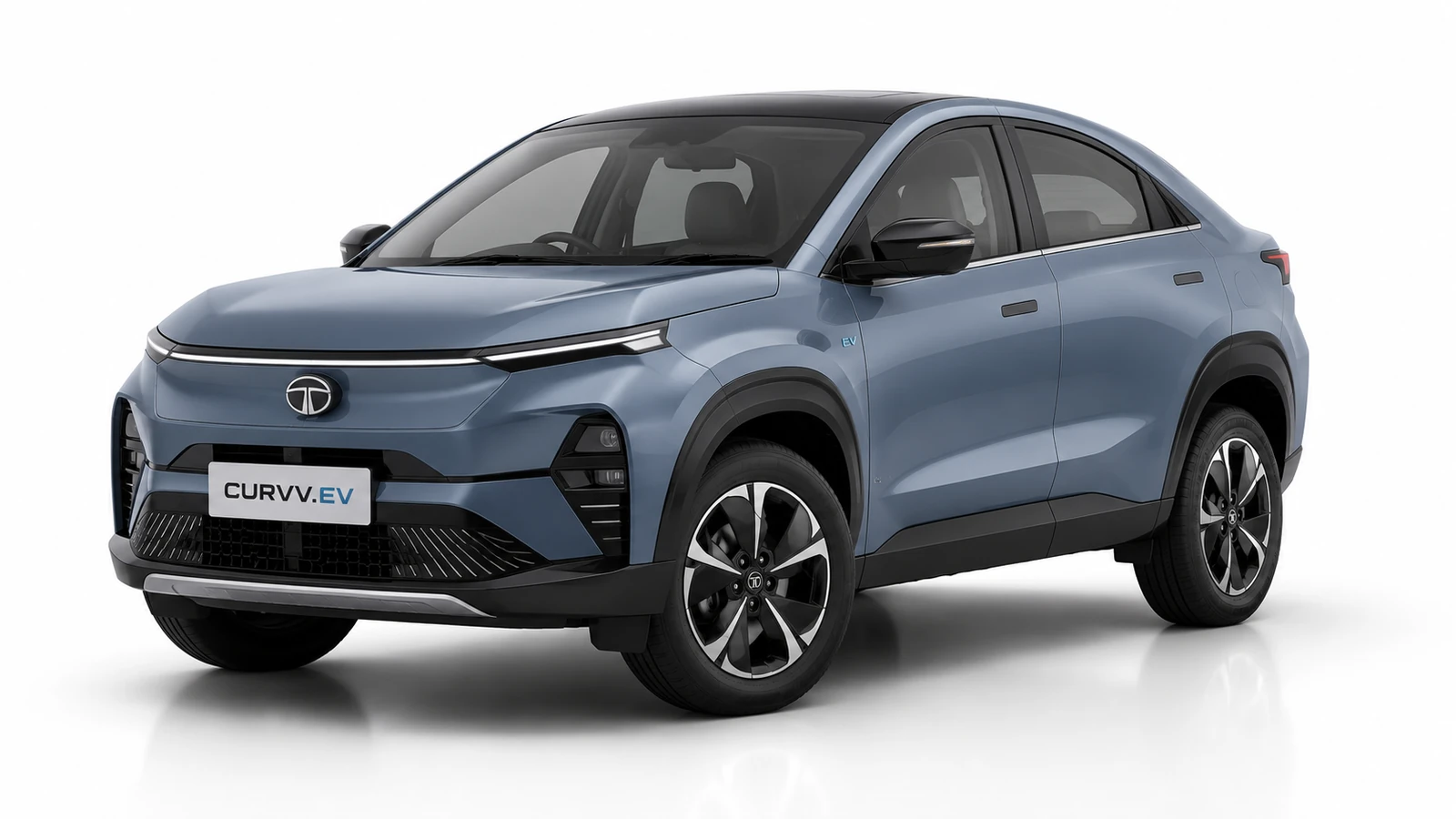
These two start within ₹11,000 of each other and go after the same buyer — someone who wants a long-range electric SUV without spending ₹30 lakh. They arrive at it from opposite directions: the Sierra revives a nameplate Indians remember, the BE 6 looks like nothing that came before it.
Head to head
| Tata Sierra EV | Mahindra BE 6 | |
|---|---|---|
| Price (ex-showroom) | ₹18.79L – ₹25.00L | ₹18.90L – ₹27.79L |
| Claimed range | 665 km | 682 km |
| Real-world range | 478–532 km | 491–545 km |
| Battery | 65 kWh | 79 kWh |
| Power | 280 bhp | 282 bhp |
| Top speed | 170 km/h | 202 km/h |
| DC fast charge (10–80%) | 30 min | 20 min |
| Drive | AWD | RWD |
| Seats | 5 | 5 |
| Body | SUV | SUV |
Range and charging
The BE 6 claims 682 km against the Sierra EV's 665 km — a 17 km gap, which is noise. Real-world, that is roughly 491–545 km against 478–532 km. Neither will leave you planning a Delhi–Jaipur run around chargers.
Charging is where there is a real difference. The BE 6 completes 10–80% in about 20 minutes, the Sierra EV in about 30 minutes. Ten minutes is not much once, and it adds up over a year of long drives.
Character: the actual decision
The BE 6 is the more radical car. 282 bhp, rear-wheel drive, 202 km/h, and a cockpit-style cabin with a high centre console and low seating. It is the more exciting thing to drive and the more divisive thing to look at. The rear seat is tighter than the numbers suggest.
The Sierra EV is the more usable car. 280 bhp with all-wheel drive, a conventional upright SUV shape, and a considerably better boot and rear seat. Tata has also leaned hard into the original Sierra's design cues, which lands well with Indian buyers in a way spec sheets do not capture.
What separates them practically
- All-wheel drive. The Sierra EV has it; the BE 6 is rear-drive. On wet ghat sections and loose surfaces that is a genuine advantage.
- Boot and rear space. Clearly the Sierra. If this is a family car, it matters more than the charging gap.
- Charging speed. Clearly the BE 6.
- Service network. Tata's EV service reach is the widest in India. Mahindra's is strong and slightly behind. Outside metros this can decide it.
- Warranty. Mahindra offers lifetime battery coverage on select models under conditions; Tata's standard is eight years or 160,000 km. Read the conditions on both rather than the headline.
Running cost
Effectively identical. Both cost roughly ₹0.90–1.30 per km on home charging against ₹6–8 for petrol. The Sierra's 65 kWh pack is smaller than the BE 6's 79 kWh, so it costs a little less to fill and goes slightly less far on it. Per kilometre there is nothing in it.
Work out your own numbers
Enter your daily km and get your 5-year cost, savings and break-even in 30 seconds.
Open the calculator →The verdict
- Buy the Sierra EV if it is a family car — better boot, better rear seat, all-wheel drive, and Tata's service reach. For most buyers this is the right answer.
- Buy the BE 6 if you are the one driving it — quicker, sharper, charges ten minutes faster, and far more distinctive.
Neither is a mistake. This is a rare comparison where both cars are genuinely good and the choice is about what you want rather than what you are willing to give up.
Related guides
- Mahindra BE 6 vs XEV 9e
- Best electric cars under ₹20 lakh
- Longest range electric cars in India
- Best electric SUVs in India
- Upcoming electric cars in India
- Compare any two EVs side by side
Frequently asked questions
Prices are ex-showroom and indicative. Range figures are manufacturer-claimed unless stated otherwise; real-world range in Indian conditions is typically 72–80% of claimed. Costs vary by state tariff, fuel price and driving style. Last updated 26 August 2026.