Best electric cars for city driving in India (2026)
City driving is where electric cars are unambiguously better than petrol ones. Stop-start traffic is the worst case for a combustion engine and the best case for an electric motor — no idling, no clutch, and regenerative braking that recovers energy every time you slow down.
The city shortlist
| Model | Price | Claimed range | Real-world range | Seats | Battery |
|---|---|---|---|---|---|
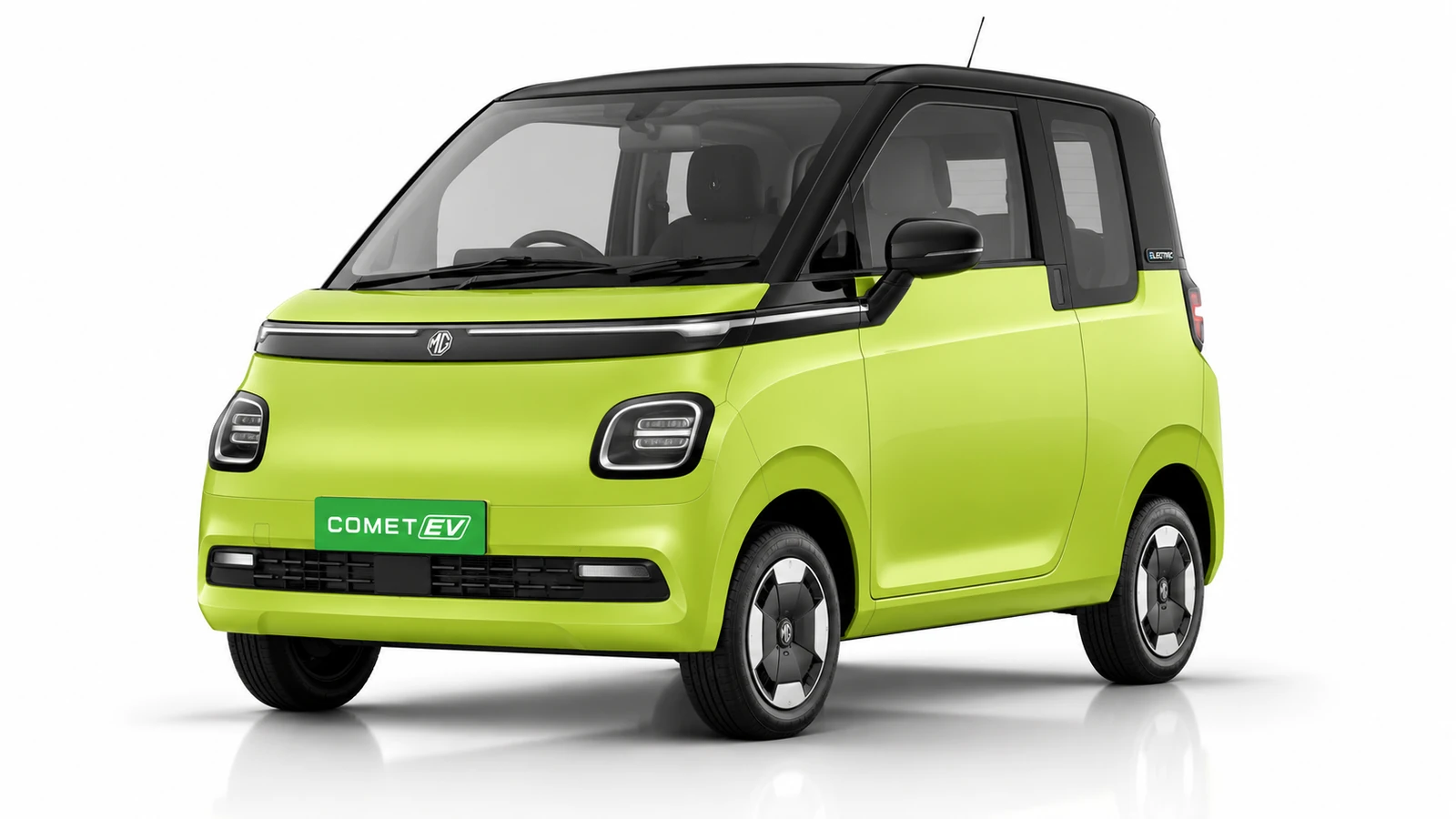
| MG Comet EV | ₹7.50L – ₹9.56L | 230 km | 165–184 km | 4 | 17.3 kWh |
| Tata Tiago EV | ₹7.99L – ₹11.14L | 250 km | 180–200 km | 5 | 24 kWh |
| Tata Punch EV | ₹9.69L – ₹14.44L | 315 km | 226–252 km | 5 | 35 kWh |
| Citroen eC3 | ₹11.61L – ₹13.41L | 320 km | 230–256 km | 5 | 29.2 kWh |
| MG Windsor EV | ₹12.65L – ₹18.39L | 449 km | 323–359 km | 5 | 52.9 kWh |
| Mahindra XUV 3XO EV | ₹13.89L – ₹14.96L | 456 km | 328–364 km | 5 | 39.4 kWh |
Why EVs suit Indian cities
- No idling loss. Stationary in traffic, an EV uses almost nothing. A petrol car burns fuel to go nowhere.
- Regeneration. Every deceleration puts charge back. City efficiency is often better than highway efficiency, which is the reverse of a petrol car.
- No gearbox. In bumper-to-bumper traffic this changes the experience more than any spec sheet suggests.
- Low-speed torque. Gaps close instantly, which matters in Indian traffic.
- Range is a non-issue. Typical urban driving is 30–50 km a day. Even the smallest EV here needs charging roughly weekly.
The picks
MG Comet EV — ₹7.50L – ₹9.56L
The purest city car sold in India. Under three metres long, so it parks where nothing else will, and a turning circle that makes Indian gullies genuinely easy. 230 km claimed, 165–184 km real — ample for city use.
Two caveats: four seats only, and no DC fast charging. It charges on AC at home and that is the entire plan. Accept that and it is a superb little car.
Tata Tiago EV — ₹7.99L – ₹11.14L
The sensible pick. Five seats, normal hatchback practicality, 180–200 km real, and it fast charges — so an occasional trip out of town is possible rather than awkward. The best balance here.
Tata Punch EV — ₹9.69L – ₹14.44L
The one to buy if the city car also has to leave the city. Higher ground clearance, which matters more in Indian urban driving than anyone admits — speed breakers, broken edges, monsoon water. 226–252 km real range.
MG Windsor EV — ₹12.65L – ₹18.39L
The most comfortable, particularly in the back. If your city driving involves being driven, or carrying parents regularly, this is the pick. 323–359 km real.
Citroen eC3 — ₹11.61L – ₹13.41L
The best ride quality of any small EV in India, which on broken city roads is a genuine daily benefit. Service network is the constraint.
What matters in a city EV
In rough order: parking footprint, ground clearance, ride quality, then range. Most buyers rank these exactly backwards. A 500 km city car is 500 km of battery you paid for and rarely use; a car that fits your parking spot and does not scrape on speed breakers improves every single day you own it.
Work out your own numbers
Enter your daily km and get your 5-year cost, savings and break-even in 30 seconds.
Open the calculator →Related guides
- Cheapest electric cars in India
- Best electric cars under ₹15 lakh
- How much EV range do you actually need?
- EV charging in India explained
- What it costs to charge an EV in India
- Find the right EV for you
Frequently asked questions
Prices are ex-showroom and indicative. Range figures are manufacturer-claimed unless stated otherwise; real-world range in Indian conditions is typically 72–80% of claimed. Costs vary by state tariff, fuel price and driving style. Last updated 26 August 2026.