Hyundai Ioniq 5 vs Kia EV6: premium cousins compared
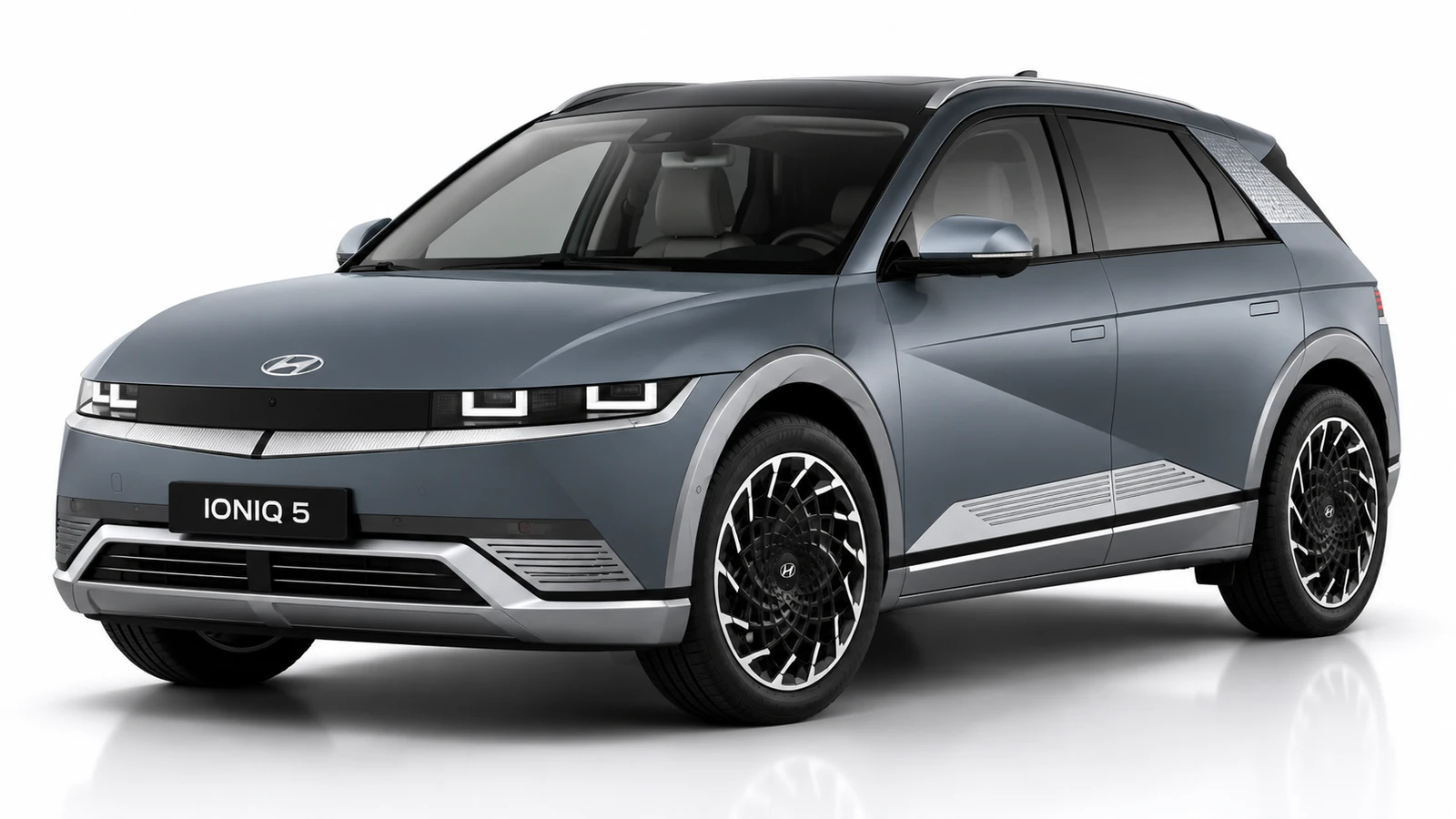
Same group, same E-GMP platform, same 800-volt architecture — and about ₹20 lakh between them. The Ioniq 5 and EV6 are the two fastest-charging cars on sale in India, and choosing between them comes down to what you want the car to be rather than what it can do.
Head to head
| Hyundai Ioniq 5 | Kia EV6 | |
|---|---|---|
| Price (ex-showroom) | ₹46.05L – ₹50.00L | ₹65.97L |
| Claimed range | 631 km | 663 km |
| Real-world range | 454–504 km | 477–530 km |
| Battery | 72.6 kWh | 84 kWh |
| Power | 217 bhp | 321 bhp |
| Top speed | 185 km/h | 192 km/h |
| DC fast charge (10–80%) | 18 min | 18 min |
| Seats | 5 | 5 |
| Body | Crossover | Crossover |
The 800-volt advantage
Both charge 10–80% in about 18 minutes — the quickest figure of any car sold in India, matched only by the Porsche Taycan. On an 800-volt architecture, on a suitably powerful DC charger, that is genuinely a stop-for-coffee interval rather than a wait. Nothing else in India does this, including cars costing twice as much.
The caveat: you need a high-power DC charger to see it. On the 50 kW units that make up most of India's public network, both cars charge at similar speeds to everything else.
Ioniq 5: the interesting one
₹46.05L – ₹50.00L, 631 km claimed, 454–504 km real-world. The Ioniq 5 is the more unusual car — a flat floor, a sliding centre console, reclining front seats and genuinely enormous rear legroom thanks to a 3-metre wheelbase. It is the most comfortable place to sit of any EV in India under ₹1 crore.
It is also ₹20 lakh cheaper than the EV6, which is not a small consideration.
EV6: the quicker one
₹65.97L, 663 km claimed, 477–530 km real-world, and 321 bhp with all-wheel drive against the Ioniq 5's 217 bhp rear-drive. The EV6 has the larger 84 kWh pack, more range, more power and a markedly sportier chassis.
It is the better car to drive and the worse car to be driven in — the sloping roof and lower seating cost rear headroom against the Ioniq 5.
Which is the better buy in India
On value, the Ioniq 5, comfortably. It delivers the same charging capability, nearly the same range, more interior space and more novelty for ₹20 lakh less. The EV6 justifies its premium only if you specifically want all-wheel drive and the extra performance.
Work out your own numbers
Enter your daily km and get your 5-year cost, savings and break-even in 30 seconds.
Open the calculator →The verdict
- Buy the Ioniq 5 for space, comfort, value and the more distinctive design. For most buyers this is the right answer.
- Buy the EV6 if you want the sharper drive, all-wheel drive traction and the longest range of the two, and the price gap does not trouble you.
Related guides
- Longest range electric cars in India
- How long does it take to charge an EV?
- Best electric SUVs in India
- EV charging in India explained
- Compare any two EVs side by side
- Hyundai Ioniq 5 full specs
Frequently asked questions
Prices are ex-showroom and indicative. Range figures are manufacturer-claimed unless stated otherwise; real-world range in Indian conditions is typically 72–80% of claimed. Costs vary by state tariff, fuel price and driving style. Last updated 26 August 2026.